
Pre-Islamic Arabia
A deep dive into the "Age of Jahiliyyah" (The Era of Ignorance) — The social, moral, and religious chaos that existed before the light of Islam.
Understanding "Jahiliyyah"
The period preceding the revelation of the Quran is known in Islamic history as Jahiliyyah. This term is often translated as "Ignorance," but it implies more than just a lack of education. It refers to a state of arrogance, barbarism, and a deviation from the divine truth. While the neighboring Roman and Persian empires had sophisticated governments, Arabia was a land without a central law, ruled only by tribal pride and the sword.
Religious Corruption: From Monotheism to Idolatry
Centuries before Prophet Muhammad (ﷺ), the Arabs followed the religion of their forefathers, Prophet Ibrahim (Abraham) and Prophet Ismail (Ishmael), which was based on pure Monotheism (Tawheed). However, over time, this message was distorted.
How did Idols enter the Kaaba?
The man responsible for changing the religion of Arabia was a chieftain named Amr bin Luhay. He was respected for his generosity, so people followed him blindly. During a trip to Syria (Al-Sham), he saw locals worshipping statues for rain and victory. Impressed, he asked for one and was given an idol named Hubal.
He brought Hubal to Mecca and placed it inside the Holy Kaaba. Soon, tribes began creating their own idols. By the time of the Prophet (ﷺ), there were 360 idols in the Kaaba, including Al-Lat, Al-Uzza, and Manat.
They did not deny Allah entirely; rather, they said: "We only worship these idols so they may bring us closer to Allah." This was the core of their Shirk (Polytheism).
The Plight of Women
The status of women in Pre-Islamic Arabia was arguably at its lowest point in human history. They were treated as commodities to be bought, sold, and inherited.
- Inheritance: Women had no share in inheritance. In fact, when a man died, his son could inherit his step-mothers along with the property.
- Unlimited Marriage: Men could marry as many women as they liked and divorce them instantly without any rights.
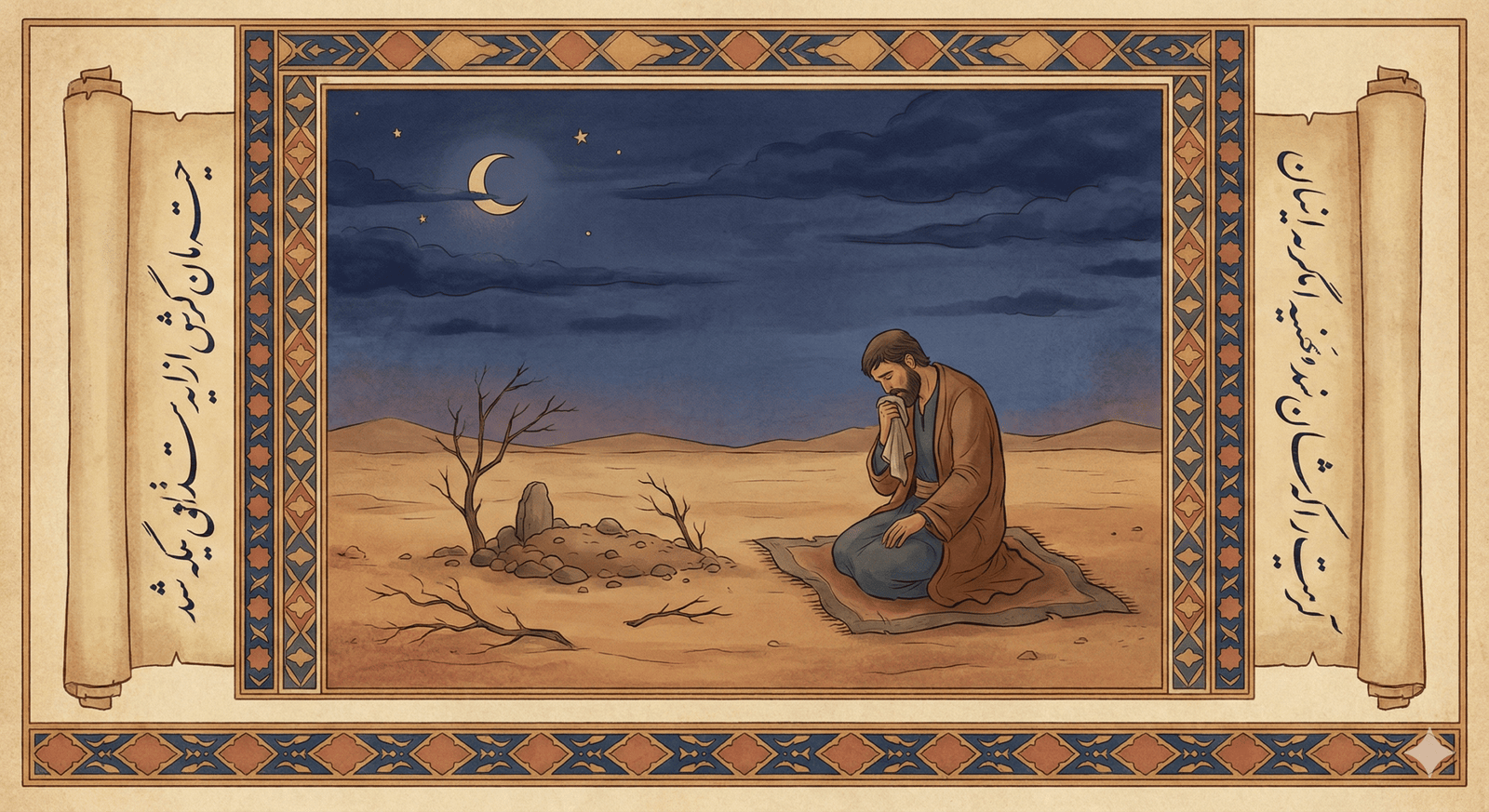
This was the darkest aspect of Jahiliyyah. Due to fear of poverty or a warped sense of "honor," fathers would take their newborn daughters to the desert, dig a pit, and bury them alive. The Quran describes this horrific moment:
Tribalism & The "War of Basus"
Arabia was defined by Asabiyyah (Tribal Prejudice). Loyalty was to the tribe, not to justice. If a tribe member committed a crime, the whole tribe defended him. If he was attacked, the whole tribe sought revenge.
The volatility of this era is best explained by the War of Basus. It began when a camel belonging to a woman named Basus grazed in the territory of a chieftain named Kulayb, who shot the animal.
This minor incident triggered a brutal war between the tribes of Bakr and Taghlib. The fighting continued for 40 years, wiping out entire generations, simply over a camel.
Moral Decay: Gambling, Alcohol & Usury
Daily life in pre-Islamic Arabia was riddled with vices that destroyed the social fabric.
- Alcohol (Khamr): Drinking was a sign of status. They had over 100 names for wine and mentioned it constantly in their poetry.
- Gambling (Maysir): They would gamble on camel meat, often betting their entire wealth and leaving their families destitute.
- Usury (Riba): The rich lent money to the poor at exorbitant interest rates. If the borrower couldn't pay, he often had to sell himself or his children into slavery.
Conclusion: Why was Islam Necessary?
Looking at the state of the world in the 6th Century, humanity was on the brink of destruction. The Romans and Persians were morally bankrupt, and Arabia was in chaos.
Islam was needed to:
- Restore Monotheism: To break the 360 idols and reconnect humanity with the One True Creator.
- Establish Justice: To replace "Might is Right" with a law where the king and the slave are equal before Allah.
- Save Women: To stop infanticide, give women property rights, and elevate their status to "Queens of the Home."
- Unite Humanity: To dissolve tribal racism under the banner of "No Arab has superiority over a non-Arab... except by piety."
It was in this total darkness that the Sun of Prophethood rose from Mecca to illuminate the entire world.
دورِ جاہلیت کا مفہوم
اسلام کی آمد سے پہلے کے عرب کے زمانے کو تاریخ میں "دورِ جاہلیت" کہا جاتا ہے۔ جاہلیت کا مطلب صرف ان پڑھ ہونا نہیں ہے، بلکہ اس کا اصل مفہوم ضد، ہٹ دھرمی، اور اللہ کی ہدایت سے دوری ہے۔ اس وقت عرب میں کوئی مرکزی حکومت نہیں تھی، ہر طرف جنگل کا قانون تھا جہاں "جس کی لاٹھی اس کی بھینس" کا اصول چلتا تھا۔
مذہبی حالت: توحید سے بت پرستی تک
شروع میں عرب کے لوگ حضرت ابراہیم اور حضرت اسماعیل علیہ السلام کے دین (دینِ حنیف) پر تھے اور ایک اللہ کی عبادت کرتے تھے۔ لیکن صدیاں گزرنے کے ساتھ وہ دین کی اصل شکل بھول گئے اور شرک میں مبتلا ہو گئے۔
خانہ کعبہ میں بت کیسے آئے؟
عرب میں بت پرستی لانے والا سب سے پہلا شخص عمرو بن لحی تھا۔ یہ قبیلہ خزاعہ کا سردار تھا اور لوگ اس کی بہت عزت کرتے تھے۔ ایک بار یہ ملکِ شام گیا، وہاں اس نے لوگوں کو بارش اور فتح کے لیے بتوں کی پوجا کرتے دیکھا۔
اسے یہ بات پسند آئی اور وہ وہاں سے "ہبل" نامی بت ساتھ لے آیا اور اسے خانہ کعبہ کے اندر رکھ دیا۔ دیکھا دیکھی عرب کے ہر قبیلے نے اپنا بت بنا لیا۔ اسلام آنے تک کعبہ میں 360 بت رکھ دیے گئے تھے جن میں لات، منات، اور عزیٰ سب سے مشہور تھے۔
عورت کا مقام اور معاشرتی ظلم
دورِ جاہلیت میں عورت کی حالت جانوروں سے بھی بدتر تھی۔ اسے جائیداد میں کوئی حصہ نہیں ملتا تھا، بلکہ وہ خود ایک جائیداد سمجھی جاتی تھی۔ اگر کسی شخص کا انتقال ہو جاتا تو اس کے بیٹے اپنی سوتیلی ماؤں کے وارث بن جاتے تھے۔
یہ اس دور کا سب سے سیاہ باب تھا۔ غربت کے ڈر سے یا جھوٹی عزت کی خاطر، باپ اپنی ہی معصوم بیٹی کو زندہ ریت میں دفن کر دیتا تھا۔ بچی چیختی چلاتی رہتی مگر پتھر دل باپ اس پر مٹی ڈال دیتا تھا۔
]
قبائلی جنگیں اور "جنگِ بسوس"
عرب میں "عصبیت" (اندھی طرفداری) کا راج تھا۔ ان کا نعرہ تھا "اپنے بھائی کی مدد کرو، چاہے وہ ظالم ہو یا مظلوم"۔ چھوٹی چھوٹی باتوں پر جنگیں شروع ہو جاتیں جو نسلوں تک چلتی تھیں۔
جاہلیت کی جہالت کا اندازہ اس بات سے لگائیں کہ تاریخ میں "جنگِ بسوس" صرف ایک اونٹنی کی وجہ سے شروع ہوئی۔ ایک سردار نے بسوس نامی خاتون کی اونٹنی کو تیر مار دیا۔ اس معمولی واقعے پر قبیلہ بکر اور تغلب کے درمیان جنگ چھڑ گئی جو مسلسل 40 سال تک جاری رہی اور اس میں دونوں طرف کے ہزاروں لوگ مارے گئے۔
اخلاقی برائیاں: شراب، جوا اور سود
عرب معاشرہ اخلاقی طور پر تباہ ہو چکا تھا:
- شراب نوشی: شراب ان کی گھٹی میں پڑی تھی۔ وہ اپنی شاعری میں شراب کی تعریف کرتے تھے۔
- جوا (میسر): وہ اونٹ کے گوشت پر جوا کھیلتے تھے اور بسا اوقات اپنا سب کچھ ہار جاتے تھے۔
- سود (ربا): امیر لوگ غریبوں کو سود پر قرض دیتے اور اگر وہ ادا نہ کر پاتے تو ان کی اولاد کو غلام بنا لیتے۔
نتیجہ: اسلام کی ضرورت کیوں تھی؟
اگر ہم چھٹی صدی عیسوی میں دنیا کے حالات دیکھیں تو انسانیت تباہی کے دہانے پر کھڑی تھی۔ ہر طرف اندھیرا ہی اندھیرا تھا۔ ایسے حالات میں دنیا کو ایک نجات دہندہ کی ضرورت تھی۔
اسلام اس لیے ضروری تھا تاکہ:
- توحید قائم ہو: 360 بتوں کو توڑ کر انسان کو صرف ایک خدا کے آگے جھکایا جائے۔
- انصاف ملے: "جس کی لاٹھی اس کی بھینس" کے قانون کو ختم کر کے امیر اور غریب کو برابر کیا جائے۔
- عورت کو عزت ملے: بیٹیوں کو زندہ دفن ہونے سے بچایا جائے اور عورت کو "گھر کی ملکہ" کا درجہ دیا جائے۔
- انسانیت ایک ہو: قبائلی اور نسلی تعصب کو ختم کر کے یہ پیغام دیا جائے کہ "کسی عربی کو عجمی پر کوئی فضیلت نہیں سوائے تقویٰ کے"۔
اسی گھپ اندھیرے میں مکہ کی وادی سے نبوت کا سورج طلوع ہوا جس نے پوری دنیا کو منور کر دیا۔